01
Rubber Granules
SBR or EPDM granules provide the rubber particles used in the selected flooring system or manufactured product.
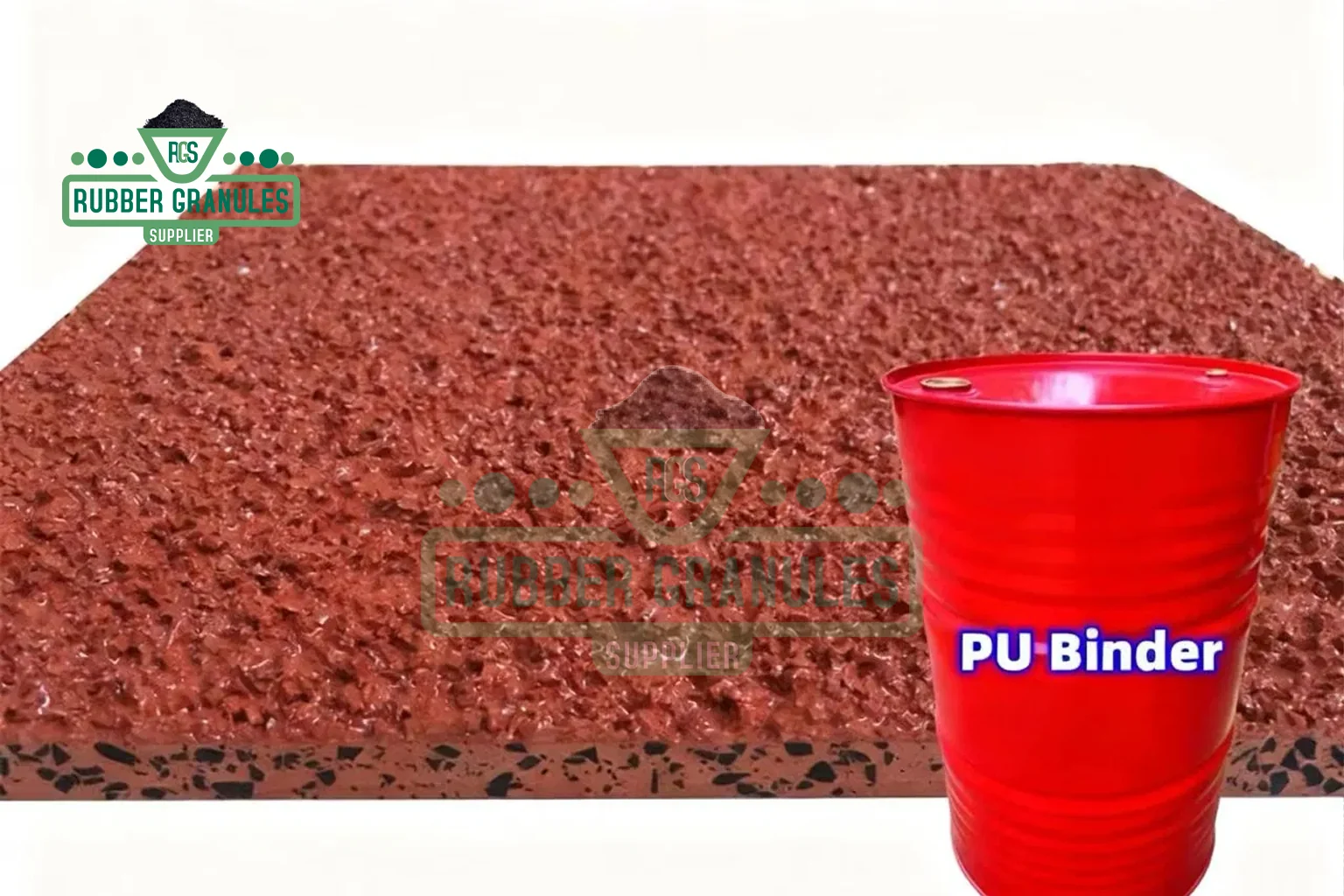
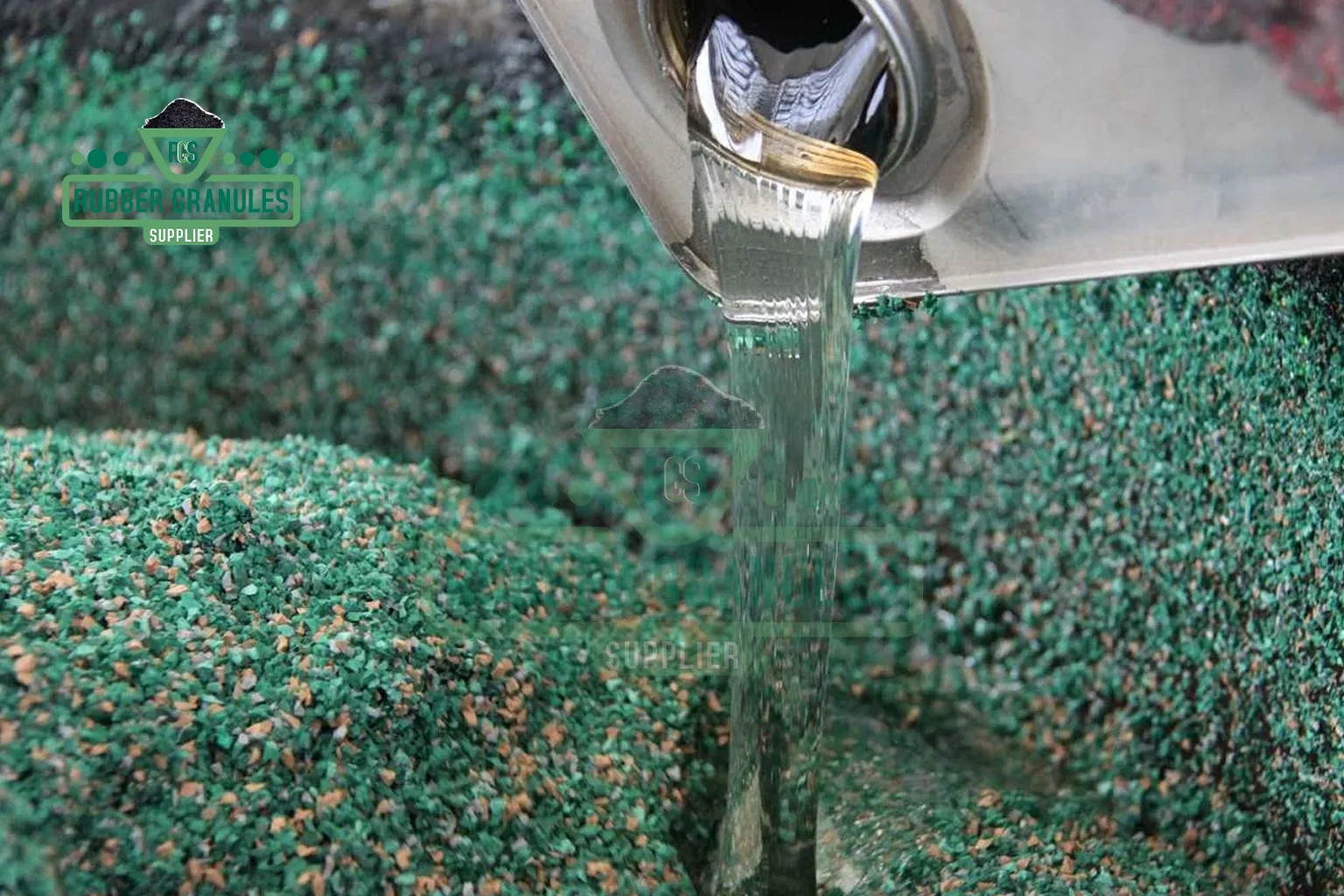
PU Binder is used to bond rubber granules when producing or installing selected rubber flooring systems and manufactured rubber products. We supply polyurethane binder for commercial export orders involving SBR granules, EPDM granules, rubber tiles, sports flooring, playground surfaces and running-track systems.
The correct PU Binder should be selected according to the rubber material, flooring system, manufacturing method and project specification. There is no single mixing requirement that should automatically be applied to every rubber flooring or rubber tile application.
POLYURETHANE BINDER
Binder is the component that holds rubber granules together in a bonded rubber system. In rubber flooring applications, polyurethane binder is mixed or used with the selected rubber granules according to the requirements of the flooring or manufacturing process.
Instead of functioning as the visible rubber material itself, the binder connects the individual granules so they can form a cohesive rubber layer or manufactured product.
PU Binder can be used with recycled SBR rubber granules and with EPDM granules in selected systems. The appropriate combination depends on the intended application and its technical specification.
This makes product selection important: the type of granule, particle size, binder requirement and final application should be considered together rather than treating the binder as an independent component.
HOW IT WORKS
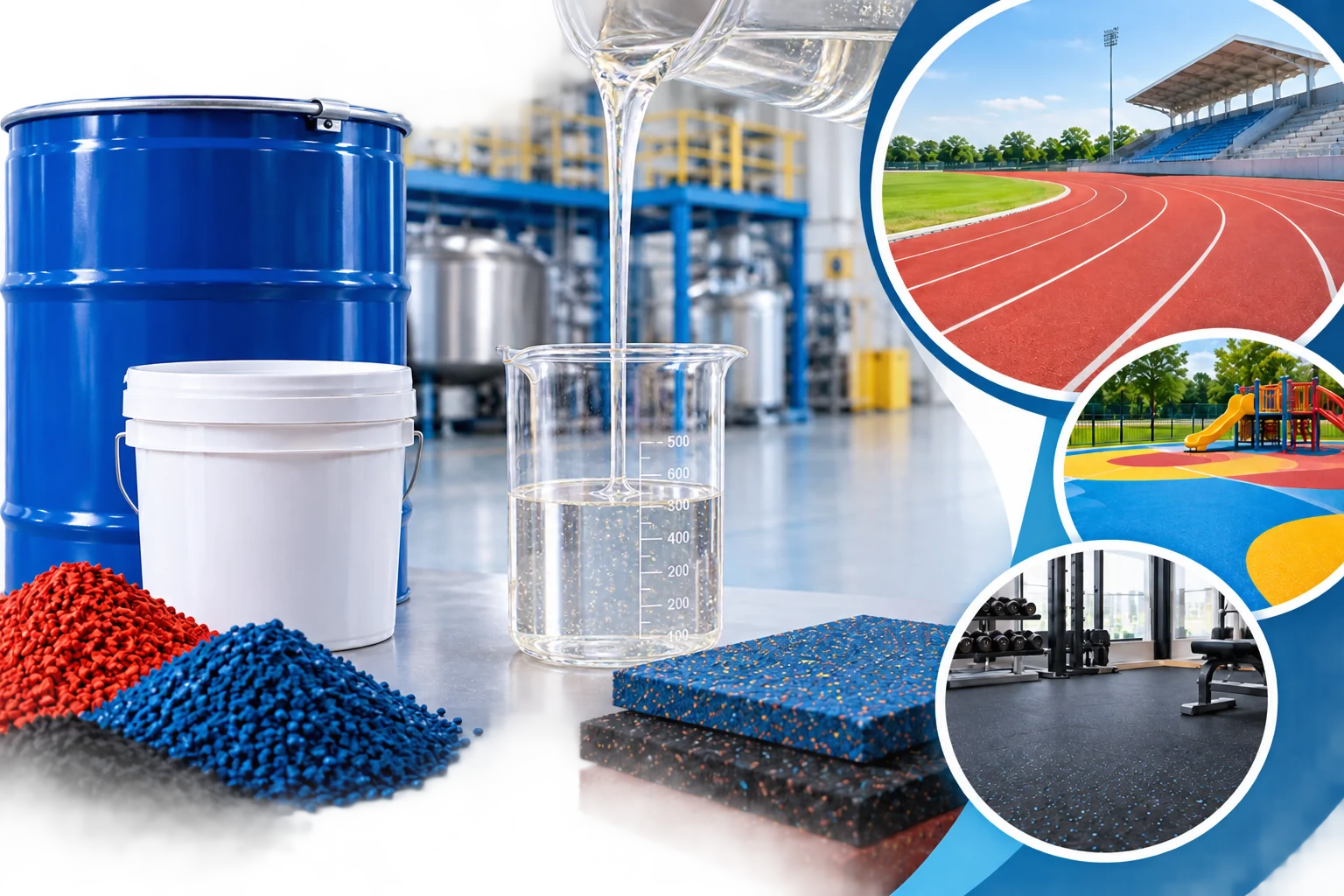
Rubber granules provide the rubber component of the system, while PU Binder provides the bond between those particles. Both components therefore have different roles and should be specified separately.
SBR or EPDM granules provide the rubber particles used in the selected flooring system or manufactured product.
Polyurethane binder connects the selected rubber granules when the application requires a bonded rubber system.
The resulting combination is determined by the design and specification of the flooring, tile or other rubber product.
RUBBER GRANULES
PU Binder can be used with different rubber granule materials, but the choice of granule should follow the requirements of the final surface or product.
Recycled SBR granules are used in selected rubber flooring systems and manufactured rubber products. EPDM granules can be used where the selected system specifies EPDM material.
The binder does not replace the need to specify the granules correctly. Particle size, rubber type and intended use remain important purchasing details.
PRODUCT SELECTION
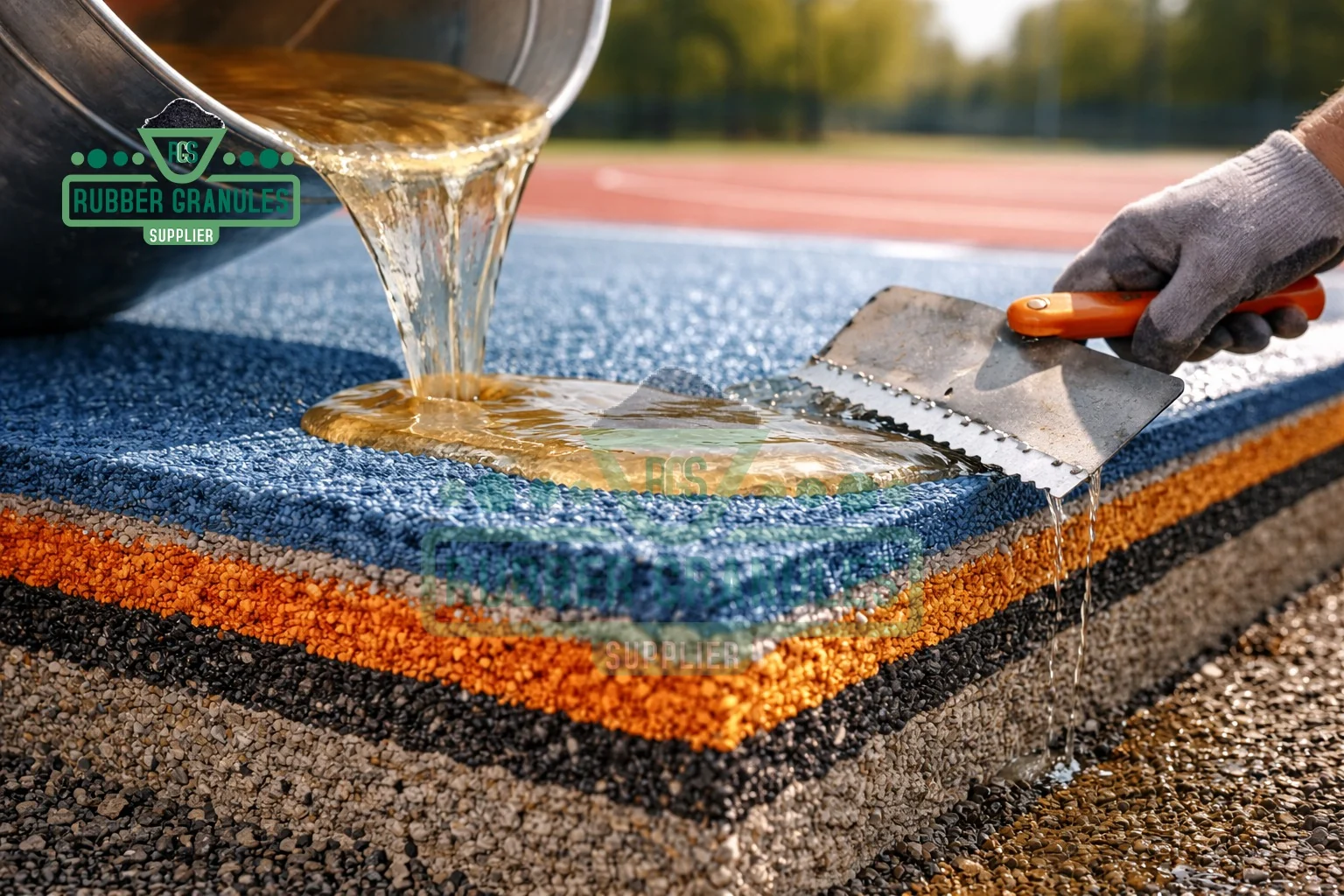
The required binder should be determined by the application, rubber material and technical specification of the system being produced.
A rubber tile manufacturer may have different requirements from a contractor preparing a poured rubber surface or a company sourcing materials for a sports-flooring system. For this reason, purchasing inquiries should include the final application rather than requesting PU Binder by quantity alone.
RUBBER TILE BINDER
Polyurethane binder is an important material in the manufacture of selected rubber tiles and molded rubber products. It is used to bond the rubber granules that form the finished product.
When sourcing a rubber tile binder, buyers should identify the rubber material being used, granule size, manufacturing application and any existing production specification.
A tile manufacturer working with recycled SBR granules may have different requirements from a product that incorporates another rubber material or surface layer.
Providing these details before ordering allows the binder request to be evaluated in the context of the actual rubber product being manufactured.
APPLICATIONS
Polyurethane binder is used in a range of applications where rubber granules need to form a bonded layer or manufactured product. The exact material combination should always follow the specification of the application.
PU Binder can be used to bond rubber granules in selected indoor and outdoor rubber flooring systems.
Binder can be used during the production of rubber tiles and selected molded products made from rubber granules.
Selected playground flooring systems use bonded rubber layers produced with rubber granules and an appropriate polyurethane binder.
PU Binder can be part of selected sports-flooring systems using SBR or EPDM rubber granules according to the required construction.
Selected running-track systems incorporate rubber granules and polyurethane binder as components of their specified layers.
Binder may also be required where rubber granules are formed into selected products according to a defined manufacturing specification.
SPORTS SURFACES
Sports surfaces are not all constructed in the same way. Different systems can specify different rubber materials, particle sizes, layers and binder requirements.
In systems that use bound rubber granules, PU Binder is the component used to connect the granules within the specified rubber layer.
The binder quantity and application requirements should therefore follow the technical specification of the particular system rather than a general ratio used for every project.
For a commercial material inquiry, send the intended application, rubber granule type, quantity and any available system specification.
MATERIAL COMBINATION
Buyers often source several materials for the same rubber flooring project. Understanding the role of each component makes the purchasing specification clearer.
| Material | Role | What to Specify |
|---|---|---|
| PU Binder | Bonds rubber granules in selected flooring and manufacturing systems. | Application, required quantity and system requirements. |
| SBR Rubber Granules | Recycled rubber material used in selected flooring layers and manufactured rubber products. | Particle size, quantity and intended application. |
| EPDM Granules | Rubber granules used where EPDM material is specified for the selected system. | Required size, color where applicable, quantity and application. |
SELECTING THE PRODUCT
A useful purchasing inquiry identifies the final use first. This makes it possible to evaluate the binder in relation to the rubber granules and the product or flooring system.
Specify whether the binder is for rubber tiles, poured flooring, playground surfaces, sports flooring, running tracks or another rubber product.
State whether the system uses recycled SBR granules, EPDM granules or another specified rubber component.
Include the particle-size range when the binder is being purchased together with rubber granules.
Provide the quantity of PU Binder required for the commercial order.
Send the existing purchasing or production specification when one is available.
Include the destination country and, when relevant, the requested destination port.
COMMERCIAL EXPORT SUPPLY
We supply PU Binder for commercial export requirements connected with rubber flooring, rubber tile manufacturing and selected sports and recreational surface systems.
Orders can be discussed for buyers sourcing binder alone or for companies requiring binder together with rubber granules for the same purchasing program.
Before requesting a quotation, identify the application, required quantity, destination and any available technical requirements.
For projects involving several materials, specify each required product separately so the inquiry clearly distinguishes PU Binder from SBR or EPDM rubber granules.
FOR RUBBER TILE MANUFACTURERS
If you manufacture rubber tiles, send the rubber granule specification together with the binder requirement.
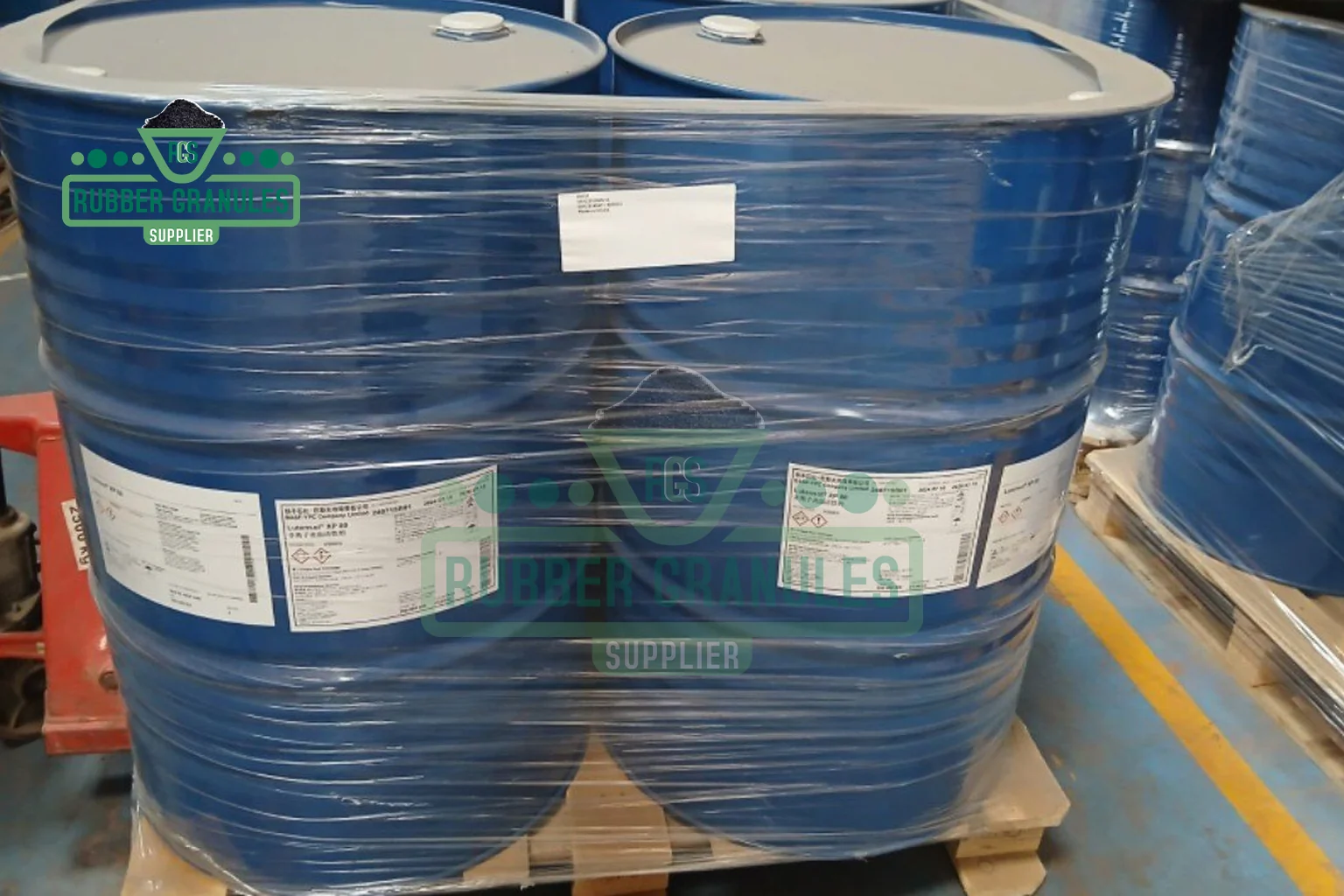
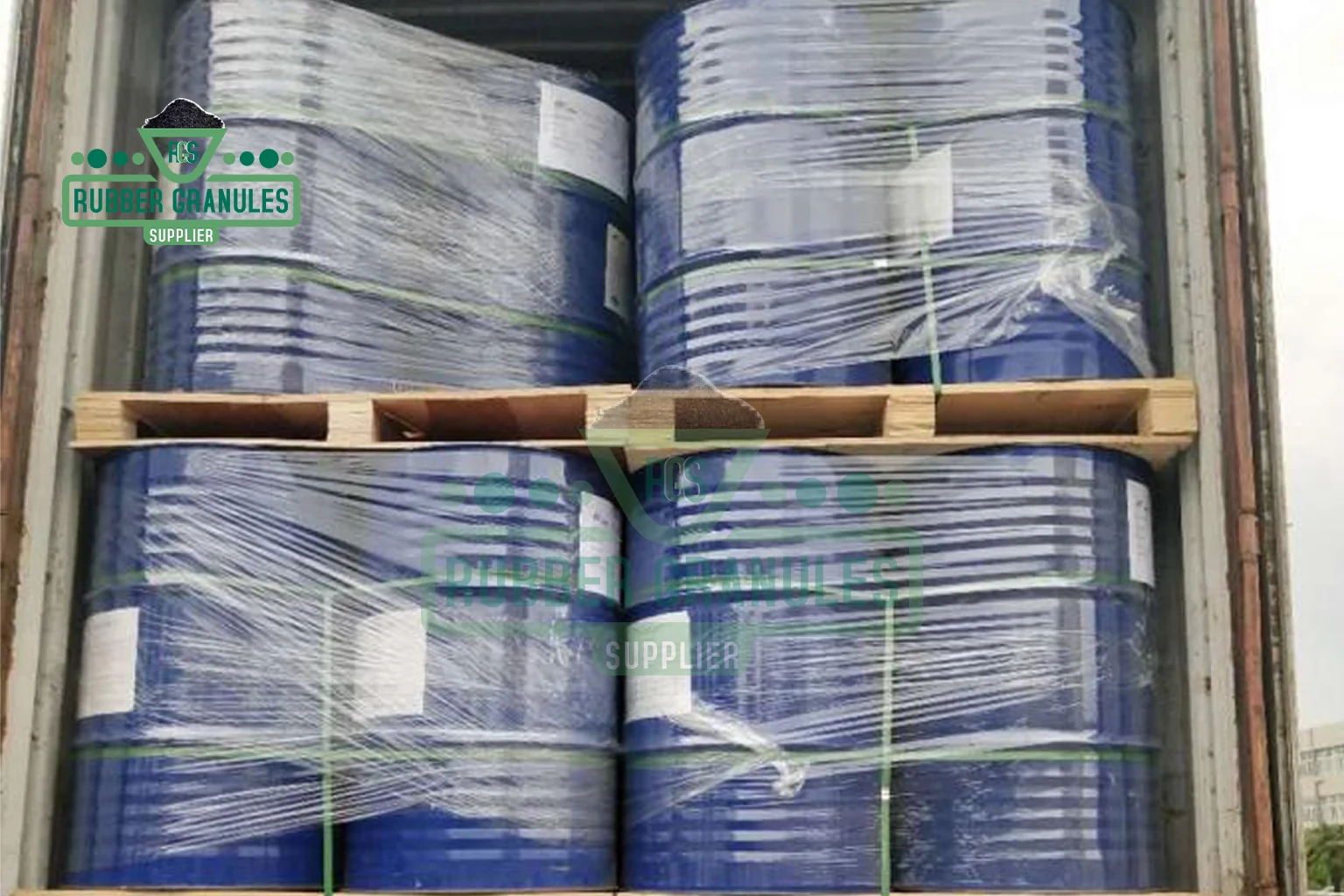
Useful information includes the rubber material, granule size, required binder quantity, production application, order volume, packaging requirement and destination. If you already work from a production specification, send it with the inquiry.
EXPORT PREPARATION
The more clearly the purchasing requirement is defined, the easier it is to evaluate the requested product and commercial order.
RELATED PRODUCTS
If your order includes more than PU Binder, you can review the related rubber materials and send the complete purchasing requirement in one inquiry.
FREQUENTLY ASKED QUESTIONS
Polyurethane binder is used in selected rubber flooring systems to bond rubber granules. The appropriate binder requirement depends on the rubber material, flooring construction and technical specification.
PU Binder is a polyurethane bonding material used with rubber granules in selected flooring systems and manufactured rubber products. Its role is to connect the individual rubber particles within the specified system.
PU Binder can be used in the manufacture of selected rubber tiles and molded rubber products where rubber granules need to be bonded together. The production specification determines the required material combination.
Yes. PU Binder can be used with recycled SBR granules in selected rubber flooring systems and manufactured rubber products according to the required specification.
PU Binder can be used with EPDM granules in selected systems where that material combination is specified. The requirements should be determined by the final application.
No single ratio should automatically be assumed for every application. The appropriate requirement depends on the rubber material, particle size, flooring or product system and its technical specification.
We accept commercial export inquiries for PU Binder used in selected rubber tile and molded rubber product manufacturing. Send the rubber material, granule size, binder quantity and production requirements with your inquiry.
PU Binder can be supplied for selected sports-flooring and running-track systems that use bonded rubber granules according to their technical requirements.
Buyers can send requirements for PU Binder together with SBR or EPDM rubber granules. Specify each product, quantity, particle size where relevant, application and destination.
Send the required binder quantity, intended application, rubber granule type, particle size where relevant, technical specification, packaging requirement, destination country and destination port when applicable.
REQUEST A COMMERCIAL QUOTE
Send us your application, required quantity, rubber granule type and export destination. If you already have a technical or production specification, include it with your inquiry.